How Pool Inspections Help Prevent Expensive Equipment Problems
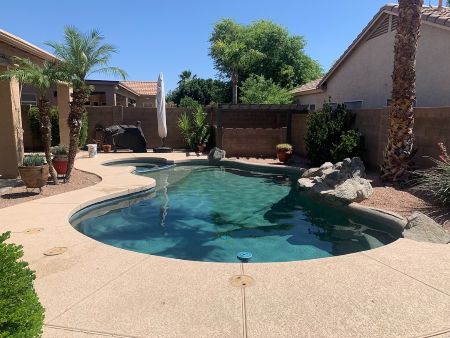
In Mesa, AZ, your pool works hard almost year-round. Heat, sun, dust, and hard water all stress pumps, filters, heaters, valves, and automation. A scheduled professional pool inspection gives you a clear picture of system health before small issues turn into big repairs. This guide explains how inspections protect your equipment, extend service life, and keep your backyard ready for every weekend.
Whether you live in Eastmark, Las Sendas, Red Mountain Ranch, or Dobson Ranch, the conditions are similar. Long, hot seasons mean long run times. Monsoon winds push dust into the water and equipment. Mineral-heavy water encourages scale. An inspector’s careful checks help you stay ahead of these local challenges and avoid surprise breakdowns.
Why Mesa’s Climate Makes Pool Inspections Essential
Mesa’s desert climate brings intense UV, triple-digit heat, and seasonal dust. Those forces combine to age parts faster than in many other places. Seals and O-rings dry out. Salt cells and heater exchangers collect scale. Filter pressure creeps up. Wires and sensors can suffer in overheated equipment pads, especially those with limited shade.
Inspections are designed around these stress points. By reviewing water flow, electrical draw, noise, vibration, and pressure readings, a trained technician can spot wear and tear early. The result is fewer emergencies and more predictable maintenance. For homeowners, that means your weekends are spent swimming, not troubleshooting.
What A Professional Pool Inspection Covers
Every pool is different, but a thorough inspection focuses on high-value components that commonly drive repair bills. At Jason The Pool Guy, our inspectors follow a consistent process so nothing is missed. Typical checks include:
- Pump performance: priming, suction leaks, lid gasket condition, bearing noise, and motor amp draw
- Filter health: pressure differential, internal wear, multiport valve action, and cleaning history notes
- Heater and heat pump function: ignition or startup sequence, thermal protection, and ventilation clearance
- Salt system or chlorinator: salt cell scaling, flow switch operation, and controller readouts
- Valves and plumbing: signs of seepage at unions, UV-cracked fittings, and flex line stress
- Automation and timers: schedules, sensor readings, relay behavior, and communication alerts
- Safety and power: GFCI presence in applicable areas, secure bonding lugs on equipment, and cabinet condition
Documentation matters. Your report should capture baseline readings and plain-language notes. Over time, these data points help predict when a part is nearing the end of its useful life, so you can plan around it.
Small Problems That Turn Into Big Bills
Most expensive failures start as quiet, easy-to-miss issues. A lid gasket that leaks air can reduce flow and increase filter pressure. Slight motor vibration can point to a bearing on its way out. Heater efficiency can decline when scale coats the exchanger, leading to longer runtimes and added stress.
Ignoring rising filter pressure can overheat your pump and shorten its life. Inspectors look for that creeping number, then trace the cause: dirty media, clogged salt cell, blocked impeller, or a partially closed valve. Clearing the bottleneck early protects the pump and helps every other part work within normal limits.
Catching small leaks early prevents cabinet rust, deck damage, and surprise shutdowns. A drip at a union does not stay small for long in summer heat. Inspections find these early and recommend targeted fixes that protect nearby electronics and concrete.
Local insight: during Mesa’s monsoon stretch, dust can spike filter pressure quickly and hide inside salt cells. A check after the first big storm helps prevent pump strain and keeps chlorination steady.
How Regular Inspections Extend Equipment Life
Think of inspections as a health check for your pool system. When performed on a predictable schedule, they build a record of how your equipment behaves in each season. That history reveals trends that are hard to catch with the naked eye: amperage slowly climbing on a pump, heater cycling more often, or salt cell output drifting down at the same salinity reading.
In Mesa, this matters because parts run long hours. A pump that is starting to draw high amps can be adjusted or serviced before the windings cook. A heater that is short-cycling can be tuned before the exchanger is stressed. Salt cell scale acts like insulation that overheats plates and reduces chlorine output. Removing build-up before it becomes thick extends cell life and keeps sanitizer production reliable.
Regular inspections also tighten up system balance. The tech confirms that valves are fully opening, check valves aren’t sticking, and automation schedules fit the season. When everything flows as designed, the entire system works more easily, which helps your budget over time.
Mesa, AZ, Factors That Drive Wear
Local water is mineral-rich. Over months, those minerals deposit inside heaters and salt cells, and even on pump impellers. The sun also beats down on equipment pads, raising internal cabinet temperatures. If your pad faces west, late afternoon heat can push parts to their limit just when you want to swim. Add in dust from summer storms, and you have a recipe for restricted flow and sensors that need attention.
Neighborhood landscaping plays a role too. Homes near open desert or construction may see more dust, while mature yards shed more debris. Inspections consider these site details so recommendations fit your property, not a generic checklist.
What You Can Expect From A Quality Inspection
A good inspection is methodical and clear. Here is the general flow:
- System walk-through to understand how your pool is plumbed and controlled
- Baseline readings for pressure, flow, and motor draw under normal settings
- Targeted tests of the heater, salt system, and sensors under load
- Visual checks for UV damage, brittle fittings, and moisture where it does not belong
- Written report with findings, photos as needed, and next-step recommendations
You should receive straightforward guidance, not a list of parts to replace. The goal is to help you prioritize, avoid urgent failures, and plan around your schedule. If follow-up work is suggested, it should be tied to clear evidence in the report.
When To Schedule Inspections In Mesa
Timing your inspection around Arizona’s seasons prevents stress from building up. Many homeowners choose early spring to prepare for heavy summer use, then another check after the first strong monsoon storm. If you host often, a late-summer look can keep equipment running smoothly through the holidays.
It also makes sense to inspect after a change in your pool environment. New landscaping, a fresh interior finish, or adding a heater or water feature all change system demand. An inspection confirms the system is balanced for the new setup.
Signs Your Pool May Need An Inspection Now
Call for an inspection if you notice any of the following. Each one can be a clue that a bigger issue is forming:
- Filter pressure rises from one week to the next, even after a recent cleaning
- Pump that takes longer to prime or sounds louder than usual
- A heater that turns on and off repeatedly or fails to reach the set temperature
- Salt system low production alert even with correct salinity
- Wet spots near the pad, white mineral tracks, or stubborn air bubbles in returns
- Automation schedules that do not stick or sensors that show inconsistent readings
How Inspections Help You Plan And Budget
Inspections are not just about preventing breakdowns. They give you a roadmap. With real readings and photos, you can decide what to handle in the next service visit and what can wait until the off-season. That plan keeps you in control of timing and avoids rushed decisions.
If you want a deeper look at upkeep beyond a single visit, explore our full list of pool care services. Pairing routine maintenance with inspections keeps your system in tune, especially during the longest, hottest months.
Choosing The Right Partner In Mesa
Experience with desert pools matters. The right partner understands how UV and minerals affect parts, how monsoon dust changes flow, and which readings mean action now versus monitor later. With Jason The Pool Guy, you get clear communication, a consistent process, and a report you can easily reference when planning your next service window.
To learn more about how pool inspections fit into a healthy pool routine, explore our site and see how the pieces work together. When you are ready, scheduling is simple and works around your calendar.
Ready To Protect Your Pool Equipment?
One scheduled visit can reveal issues that would otherwise stay hidden until a hot weekend or a family gathering. A thorough inspection reduces risk, smooths out your maintenance timeline, and helps every component do its job with less strain.
Schedule a detailed pool inspection before peak heat or right after the first big summer storm. That timing gives your system the best chance to run clean and cool for the rest of the season.
Schedule your professional pool inspection in Mesa today to protect your equipment. Call us at 480-232-5325 to set a convenient time with our team at Jason The Pool Guy.